
Home Organization Ideas That Follow the Way You Actually Live
Most homes do not become untidy because they need more baskets. They become untidy at the awkward handoff points in an ordinary day.
The keys leave your hand before they reach a hook. Mail enters the house without a decision attached to it. A sweatshirt is too clean for the hamper but not clean enough for the closet, so it joins the chair that has quietly become a second wardrobe. None of these are cleaning failures. They are unfinished routes.
That is why many home organization ideas look convincing for a weekend and then slowly fall apart. They organize the room as a photograph instead of organizing the way people move through it.
This guide takes a different approach. Rather than emptying every cabinet or buying matching containers, you will follow four everyday routes: arriving home, preparing food, settling in and resetting for tomorrow. Fix the point where each route breaks, and the whole home becomes easier to restore without asking everyone to behave like a professional organizer.
Start With a Clutter Route Audit
Before moving anything, watch one normal day unfold. Where does your bag land when both hands are full? What crosses the kitchen while dinner is being made? Where do blankets, chargers and half-read books stop at night? Which objects are still waiting for a decision the following morning?
For three days, do not reorganize those trouble spots. Record where each object first lands and what interrupted its route. Then run the matching seven-day test below using a tray, hook, box or container you already own. This separates a placement problem from a shopping problem.
| Route that keeps breaking | What to record for three days | Seven-day test before buying anything |
|---|---|---|
| Arriving with keys, wallet and daily bag | The first landing spot and whether your hands were full | Put a saucer or spare tray at that exact spot and place a temporary hook beside it if possible. If the objects still land elsewhere twice, move the setup toward the behavior instead of blaming the habit. |
| Dealing with mail, forms and returns | What needs action, what must leave the house and how long it waits | Use one upright holder marked Act or Take Out and choose one weekly deadline. If paper escapes onto the counter, shorten the decision window before increasing capacity. |
| Preparing an ordinary meal | The tools or ingredients that cross the room repeatedly | Cook two familiar meals and note the five repeat travelers. Relocate only those items nearer the prep or cooking zone; leave every cabinet that already works alone. |
| Settling on the sofa or at the bedside | What remains in active use and what is genuinely finished with | Place one lidless tray within easy reach for remotes, glasses, a charger or the current book. If returning an item needs two hands or getting up, the storage is adding friction. |
| Getting undressed | What is laundry, what will be reworn and what should return to the closet | Test two hooks or one ventilated basket for rewear clothes, with space for no more than four pieces. When it fills, make a clothing decision rather than expanding the category. |
| Using pantry and refrigerator food | Open packages, duplicates and food repeatedly overlooked | Create one eye-level Use Next area without decanting anything. If it stays visible but untouched, the issue is meal planning or preference not the container. |
A test passes when the objects reach their temporary home on at least five of seven days without a reminder, and the setup does not obstruct a door, walkway, vent or cleaning route. If it fails, move it closer, remove a lid or narrow the category. Do not automatically solve failure with a larger bin.
Also look for friction. A lid that needs two hands, a hook mounted too high, an overfilled drawer or a basket in another room can be enough to stop a routine from working. The goal is not to create more rules. It is to make the easiest action the useful one.
Entryway Organization: Fix the Arrival Route
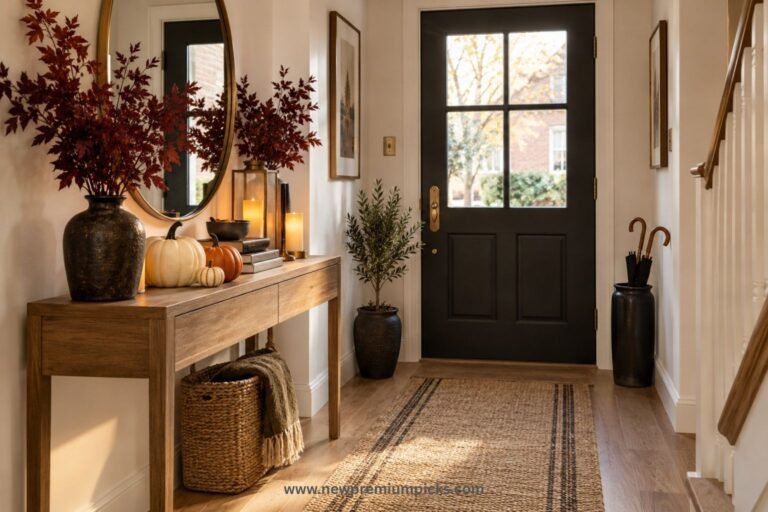
The arrival route carries more categories than most entryways can comfortably hold: keys, shoes, bags, mail, sunglasses, dog gear, school items and whatever was purchased on the way home. Giving all of it one console table simply creates a better-looking pile.
A more workable entry uses three small zones.
Zone One: Leaving Again
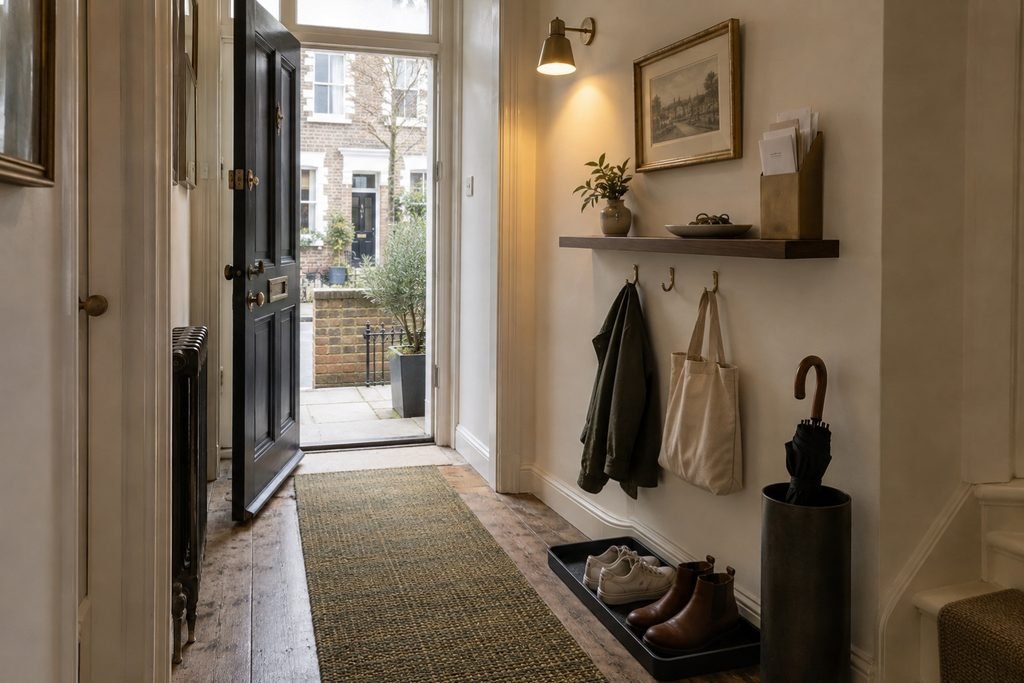
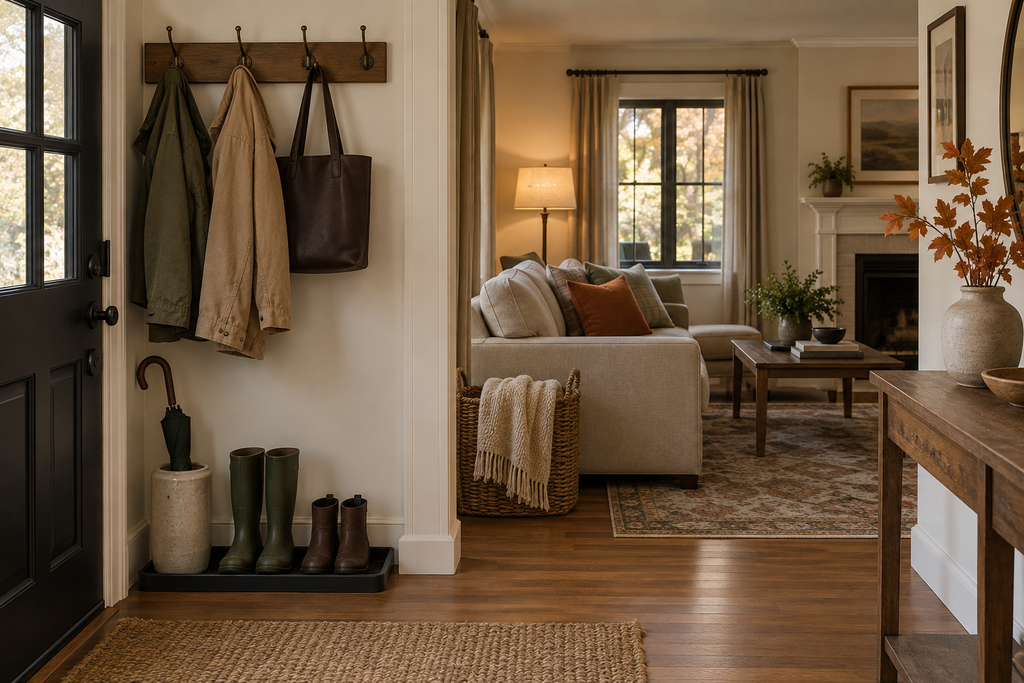
Keep only tomorrow’s essentials here: keys, wallet, daily bag and anything that must leave with you. A tray, a few hooks and a narrow charging spot may be enough. If an item is not used most days, it does not need prime entryway space.
Zone Two: Waiting for a Decision
Mail, forms and returns need a short holding point with a deadline. Use one upright file, not several vague baskets. Mark one recurring time each week to pay, file, recycle, shred or return what is inside. When the container is full, the answer is processing not another container.
Zone Three: Weather and Floor-Level Gear
Shoes, umbrellas and wet outerwear need a surface that is easy to clean and, where necessary, able to air out. A boot tray and reachable hooks are more useful than a deep decorative basket that hides damp items. Keep the walking path clear, and do not let bags hang where they catch a door or narrow the exit.
This direction fits current US organization coverage, which is giving more attention to practical drop zones and storage designed around the household’s real routine. Consumer Reports’ 2026 entryway guide makes the same important point: function and the way a household lives should come before shopping for organizers.
No foyer? Use a small section of wall beside the door. A slim rail, a key tray and a washable floor mat can perform the job of a mudroom without pretending a narrow apartment has one. Renters should choose fixings that suit the wall surface and check the lease before drilling. The reversible planning method in our apartment decor guide for renters can help you avoid a move-out surprise.
If you want to save the visual version of this three-zone setup, follow New Premium Picks on Pinterest for the accompanying organization graphics.
Kitchen Organization: Fix the Food Route
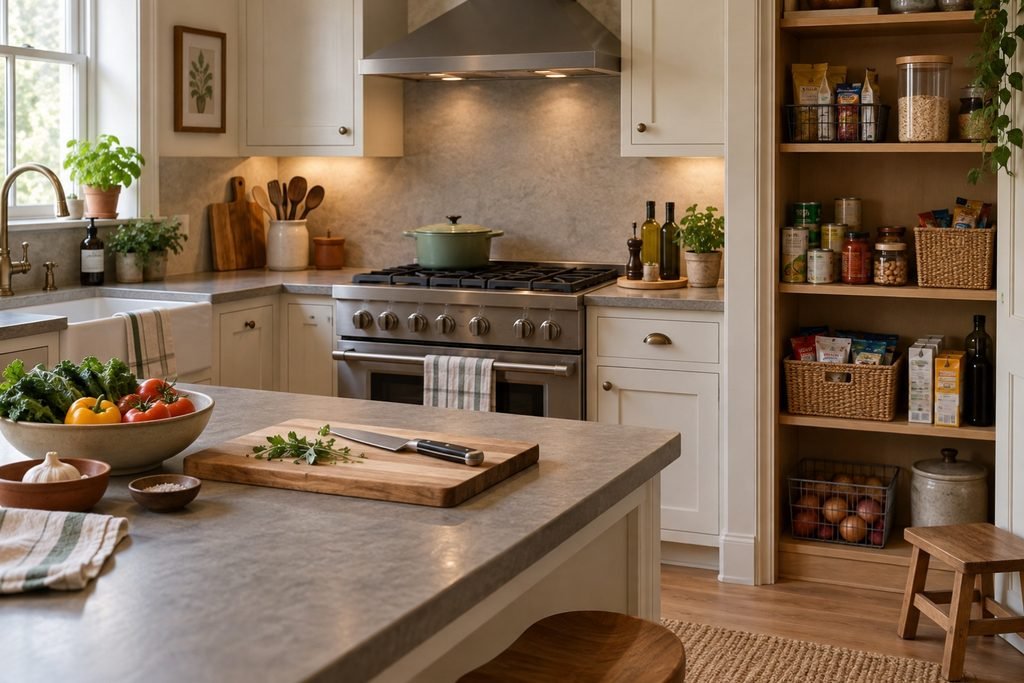
A photograph-ready pantry is not automatically an efficient pantry. Decanting every ingredient into identical jars can create extra work, hide cooking directions and make it harder to track what needs using first. Start with the next meal rather than the matching labels.
Divide the kitchen according to actions:
- Prepare: knives, boards, mixing tools and frequently used seasonings near the main prep surface.
- Cook: pans, utensils and everyday oils within a practical reach of the cooking area, but away from heat where labels require it.
- Serve: plates, bowls and glasses near the dishwasher or drying area if the layout allows.
- Restock: unopened backups together, so you can see what is already in the house before buying more.
- Use first: opened packages and shorter-dated food in one visible area.
This is not a demand to relocate an entire kitchen. Moving the six objects that cross the room every day is often more valuable than reorganizing a cabinet that already works.
In the refrigerator, give leftovers and food that should be used soon an eye-level spot. Do not pack shelves so tightly that air cannot circulate, and keep storage instructions and dates visible. The US Food and Drug Administration recommends keeping a refrigerator at or below 40°F and checking the temperature periodically with an appliance thermometer. Organization should support food safety, not replace it.
Clear containers are useful when seeing the contents changes what you use. Opaque bins are better for visually noisy packets or backup stock. Neither needs to appear everywhere. Choose the container for the task, label decanted food clearly, and keep any information you may need from the original package.
For a kitchen that feels calmer as well as functions better, continue with our guide to kitchen decor ideas that still work when dinner starts.
Living Room and Bedroom Organization: Fix the Evening Route
Evening clutter is different from neglected clutter. These are usually objects in active use: the remote, a charger, a throw, a book, a glass, headphones or clothes that may be worn again. Storing them as though they have been retired for the season adds unnecessary steps.
Give Active Objects a Short-Term Home
Beside the sofa, use one small tray for remotes and charging items, plus one basket for blankets or current hobbies. Place them within reach of where the objects are actually used. A beautiful cabinet across the room will lose to the coffee table every evening.
Choose open or closed storage according to the action. Open storage is faster for items returned several times a day. Closed storage creates more visual calm for backup supplies and mixed categories. Current 2026 storage coverage favors flexible systems, warm materials and practical simplicity over rigid, display-perfect minimalism; this Better Homes & Gardens overview of 2026 storage trends is a useful example. The sensible part of that trend is adaptability, not buying every basket in natural rattan.
Solve the Worn-Once Clothes Problem
The bedroom chair is often doing a job the closet never planned for. Instead of promising to stop using it, create three clear destinations:
- Clothes ready to wear again go on two hooks, a short rail or one ventilated basket.
- Laundry goes directly into a hamper placed where clothes are normally removed.
- Clean items that will not be reworn immediately return to the closet or dresser.
Keep the rewear space intentionally small. When it fills, the clothes need a decision. The boundary prevents a useful category from becoming another wardrobe.
On a nightstand, limit the surface to what supports the evening or morning routine. A lamp, water, current book and a small tray may earn their place; backup cables, old receipts and empty packaging do not. The deeper small-room edit in our small bedroom ideas guide covers walking space, under-bed storage and visual balance without relying on the usual mirror-and-white-paint checklist.
If you add a tall shelf, dresser or other potentially unstable storage, safety comes before capacity. Follow the manufacturer’s instructions and secure applicable furniture correctly. The US Consumer Product Safety Commission’s Anchor It! guidance explains why furniture and television tip-over prevention matters, especially in homes with children.

Bathroom and Laundry Organization: Fix the Reset Route
Bathrooms usually contain two completely different inventories: products used every day and backup products waiting for their turn. Mixing them makes a small cabinet feel full while the countertop remains crowded.
Keep daily-use items together in one easy-to-clean tray, drawer or shallow bin. Store unopened backups in a separate location, grouped by type. Before buying another product, check the backup bin. Follow every product’s storage label, and keep medicines, cleaning products and other hazards secured appropriately and away from children.
Avoid turning every item into a display. Cotton swabs may work in a clear jar; a collection of half-used tubes usually looks calmer inside a drawer. Leave enough room to lift items out without unloading the whole shelf.
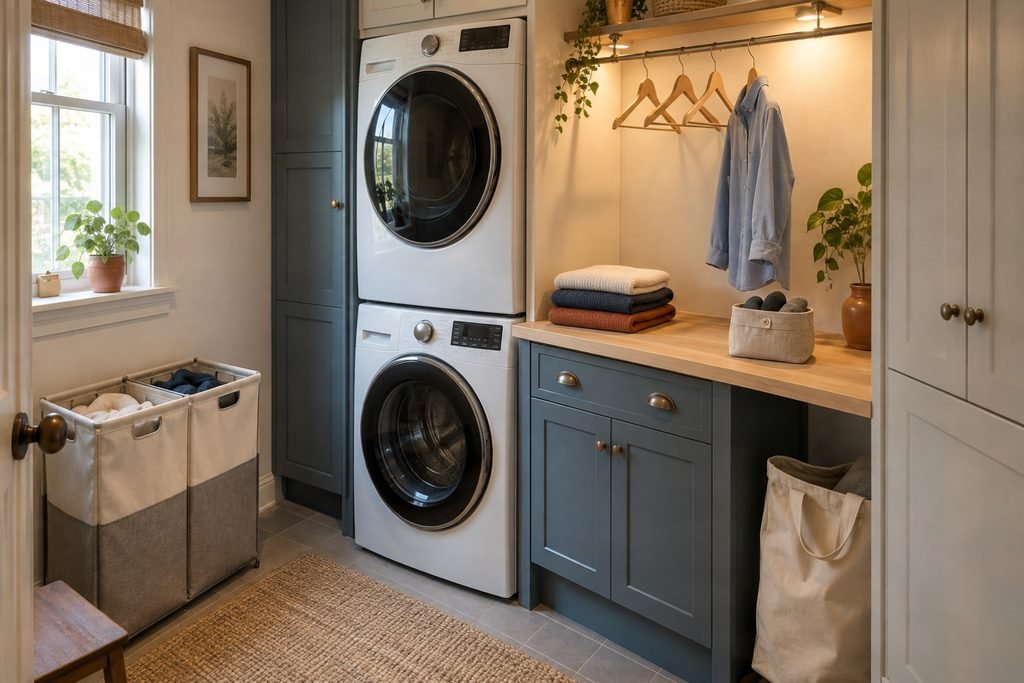
The laundry route needs to cover the complete cycle, not only the hamper. Ask where clothes wait before washing, where clean loads are folded and how they return to their rooms. If clean laundry repeatedly stays in a basket, the problem may be the final trip not the washing.
Try these small adjustments:
- Put the hamper where clothes are removed, even if that is not the most decorative corner.
- Separate loads only into categories your household genuinely washes separately.
- Keep an unmatched-sock pouch beside the folding area instead of starting a permanent sock investigation on the dining table.
- Place empty hangers or a small hanging rail near the dryer when hang-dry or wrinkle-prone clothes are common.
- Keep one donation bag in a closet, but give it an exit date so it does not become long-term storage.
Items that are still usable can be donated or reused instead of automatically discarded. The US Environmental Protection Agency’s reduce-and-reuse guidance is a practical starting point; local programs decide what they can accept.
Home Organization Ideas for Small Spaces: Measure the Routine
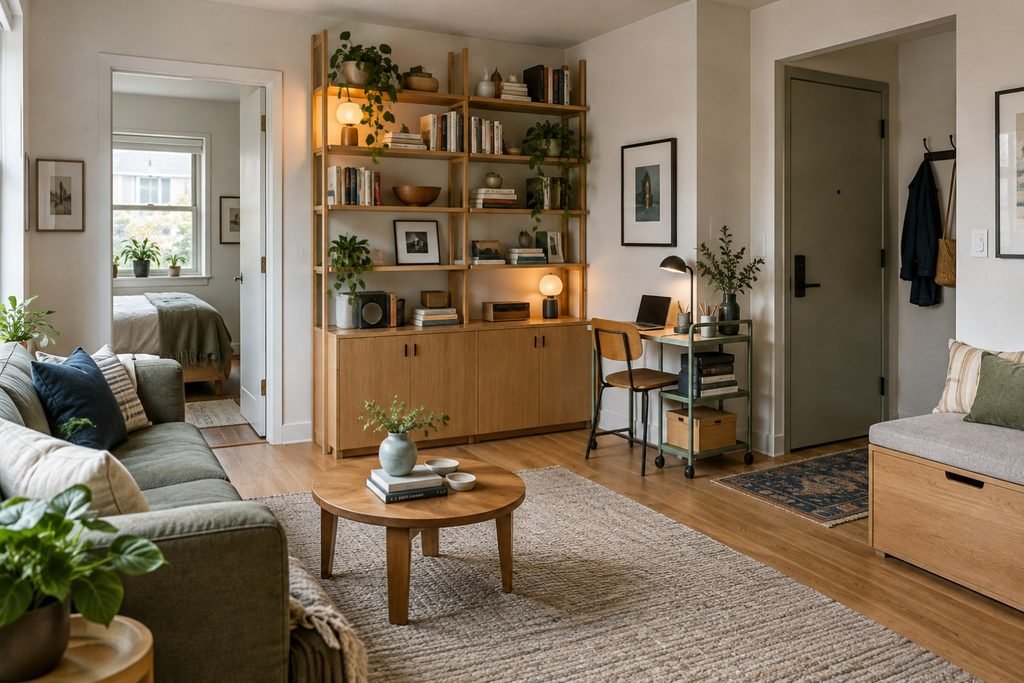
Small-space storage advice often says to “use every inch.” That can produce a room that technically holds more and feels harder to use. The better question is which inches deserve a job.
Measure the available width, depth and height before buying anything. Then measure the largest object the storage must hold and check the clearance needed for doors, drawers, walkways and vents. A narrow cabinet that blocks a door swing is not space-saving. It has simply moved the problem.
Prioritize storage in this order:
- Daily reach: frequently used items between comfortable hand and eye level.
- Low or high reserve: seasonal and occasional items above or below the active zone.
- Hidden dead space: under a bed, over a door or inside furniture only when access remains practical.
Use adjustable shelves, modular cubes or movable carts when a room serves several purposes. Choose one piece that solves a known category rather than several small organizers that create new categories of their own.
For renters, an over-door rack, freestanding shelf or correctly rated removable solution may be appropriate, but “removable” does not mean safe for every paint, load or surface. Check the product instructions and lease, test finishes where appropriate, and use permanent fixings when safety requires them and permission allows.
The 12-Minute Closing Shift
An organized home does not need to stay photo-ready all day. It needs a believable way back.
Set a timer for 12 minutes and follow the same route you use in the evening:
- Minutes 1-3: reset the entry; return keys, shoes, bags and paper to their zones.
- Minutes 4-6: clear the kitchen’s main working surface and move “use first” food forward.
- Minutes 7-9: return the living-room tray, chargers, books and throws.
- Minutes 10-12: send clothes to rewear, laundry or wardrobe and clear the nightstand.
This is a reset, not a cleaning marathon. Stop when the timer ends. If the same category cannot be returned within a few evenings, inspect the system: the container may be full, too far away, difficult to open or holding several unrelated things.
The routine should expose friction, not become another standard you feel guilty about missing.
A Fall Home Organization Reset That Does Not Start With Decor
September is a useful moment to adjust the routes before cooler-weather items and holiday supplies enter the house. You do not need a full seasonal overhaul.
Make space for jackets, school or work bags and wet-weather gear at the entry. Move lightweight blankets where they can be reached without emptying the linen closet. Check the pantry before adding fall baking or drink supplies. Clear one living-room surface before placing seasonal accents on it. Finally, move the donation bag out of the house instead of decorating around it.
If you are adding autumn color afterward, our fall home decor ideas for 2026 show how to use warmer light, deeper color and texture without filling every surface with pumpkins.
Test the System for Seven Days Before Buying More
Live with each change for one week. At the end, ask:
- Did objects begin landing beside the new storage, or somewhere else?
- Can the item be returned with one hand when you are tired or carrying something?
- Can everyone who uses the space reach and understand it?
- Is the container holding one clear category?
- Is there room for ordinary fluctuation, or is it already packed?
Move the storage toward the behavior before trying to force the behavior toward the storage. Remove a lid, lower a hook, narrow a category or relocate the hamper. Only buy a different organizer when the test has shown exactly what the current one cannot do.
Final Thoughts
The best home organization ideas do not make a home look untouched. They make everyday objects easier to return after the home has been fully lived in.
Start with the route that irritates you most. It may be the keys that disappear every morning, the counter that collects the entire day or the chair carrying tomorrow’s outfit and last Tuesday’s jeans. Fix that one handoff point, use it for a week and let the next problem reveal itself.
A calm home is not built by purchasing twenty containers at once. It is built when every repeated action has a simple next step and when the system is flexible enough to survive an ordinary Wednesday.